How Does Ozak AI EON Work? Prediction Agents, Neurons, and Crypto Data
Ozak AI EON is the interface layer of a larger system.
According to the project’s public materials, a request made inside EON passes through connected components: a streaming network that gathers market information, vaults that store it, Neuron as a shared intelligence layer, and agents that produce the analysis.
This guide follows that path and separates documented technology from features still in development.
The flow at a glance: Crypto Data → Streaming Network → Data Vaults → Neuron → Prediction Agents → EON
What Is Ozak AI EON, and How Does the Platform Work?
What is EON? It is the front end where users reach the project’s crypto intelligence tools.
Behind the screen, the project describes a pipeline in which crypto market data is collected, stored, processed, and turned into outputs such as forecasts and alerts.
Think of EON as the front door and the other components as the rooms behind it.
This matters because the interface can only be as useful as the pipeline feeding it.
A polished dashboard on top of weak inputs still gives weak answers, which is why the architecture deserves attention before any feature list.
Reading the official project documentation first is the safest way to confirm what each part is designed to do before relying on it.
How Ozak AI Prediction Agents Analyze Crypto Market Data
Prediction agents are configurable models that read incoming information and produce forecasts or market intelligence.
Rather than one fixed model for everyone, the design lets a user shape an agent around a particular approach, such as momentum, value, or contrarian investing.
In practice, an agent monitors the assets or patterns it was set up to follow and updates its view as new information arrives.
The output of prediction models is a probability-based view, not a promise, and any model can miss when markets change quickly.
For a deeper look at the agent concept itself, see Ozak AI prediction agents on this site.
What Is a Neuron in Ozak AI, and Why Does It Matter?
Neuron is described in project materials and third-party guides as a shared intelligence layer.
When an agent receives a question, it can draw on Neuron to interpret patterns across large sets of information instead of working alone.
In plain terms, Neuron sits between stored records and the final answer.
That role is what the term AI inference describes: a trained model applying what it learned to new information.
The exact scope of Neuron should be confirmed in the official documentation, because project descriptions can change over time.
Until you have read it, avoid assuming that Neuron guarantees better results than a single standalone model would.
How Ozak AI Streaming Data Feeds EON With Market Information
The streaming network, also called the Ozak Stream Network (OSN), is the part that feeds everything else.
It is described as a real-time pipeline that collects, processes, and distributes market information, which can include on-chain data and off-chain sources.
Fresh information matters because an agent working from stale inputs produces stale analysis.
Low latency and consistent formatting also matter, since agents need clean inputs to compare one asset with another.
This stage is also where alerts begin: live information is what later becomes Ozak AI signals, which are outputs to evaluate, not guarantees.
Ozak AI Data Vaults Explained: How Crypto Strategies Are Protected
Vaults are described as encrypted, permissioned storage secured through smart contracts.
They keep ingested information available for both live and historical analysis, so agents have a reliable place to read from.
Integrity checks and access controls are part of the described design, which helps keep stored records consistent.
Protection here means controlled access, not an open pool shared with every component or user.
Details such as what exactly sits inside a vault are covered in the architecture documentation.
Treat any claim that vaults make a strategy risk-free as unsupported.
How EON Connects Prediction Agents, Neurons, and Crypto Data
Put together, the order is simple.
The streaming network gathers inputs, the vaults store them, Neuron helps interpret them, agents shape them into forecasts, and EON presents the result.
Each layer depends on the one before it, so a weak feed at the start weakens every output after it.
Read in order, the chain also shows where to look when something seems off: stale inputs, unclear access settings, or an agent configured for a different strategy than expected.
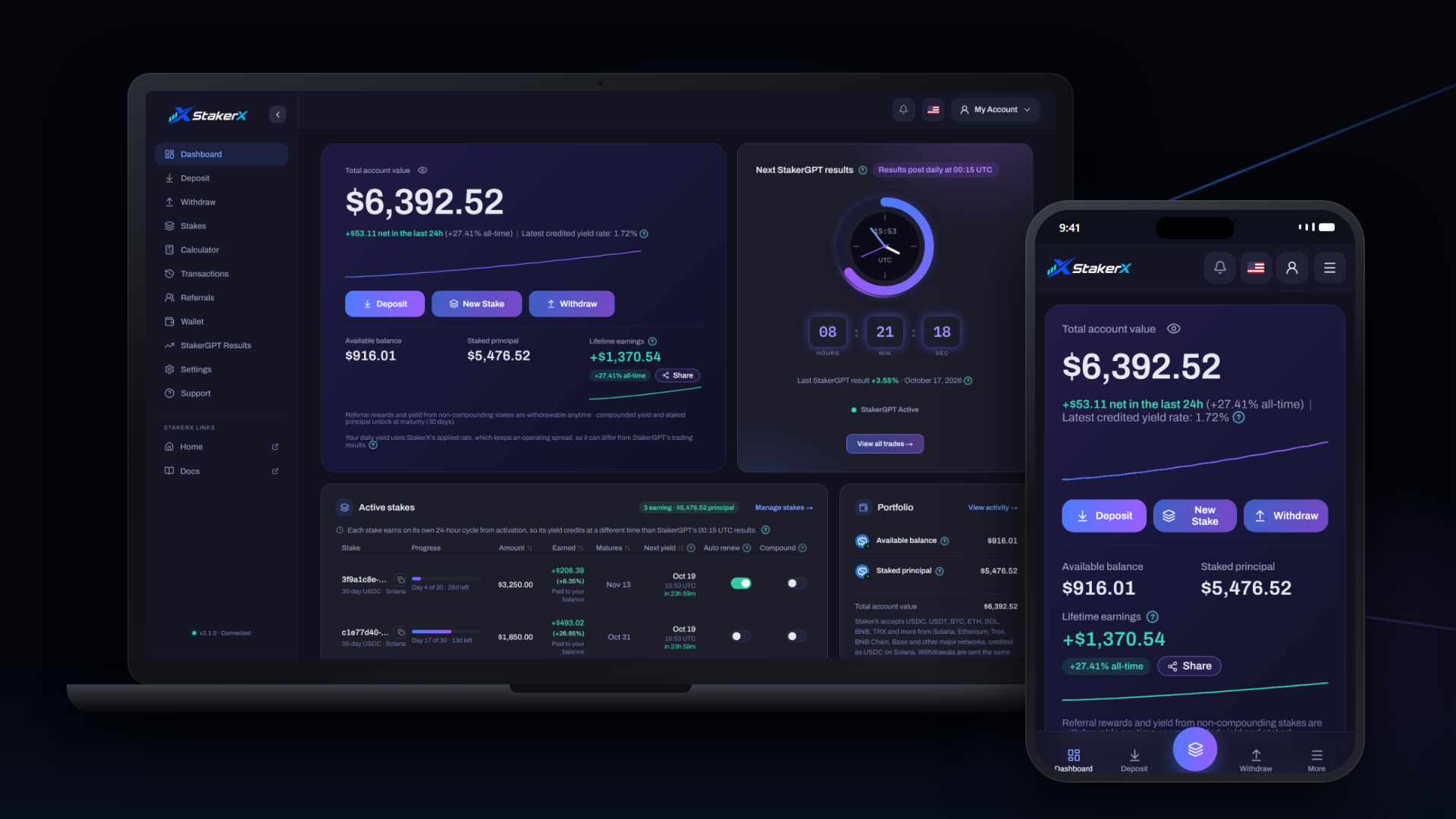
A user meets this chain through the EON trading agent, which is presented as a way to ask questions in plain language and receive analysis built on these layers.
Ozak AI EON Technology vs Traditional Crypto Trading Tools
Traditional charting and screening tools mostly display figures and indicators, and the user does the interpreting.
An agentic AI stack adds agents that read the data and propose a view.
That can save time, but it raises new questions: what inputs went in, how the model was trained, and how reliable its output has been.
A side-by-side look at features and risks is in EON vs AI crypto tools.
No tool in either category can predict prices with certainty.
A sensible approach is to use agent output as one input next to your own research, position sizing, and risk limits.
What Can Ozak AI EON Actually Do Today?
Separate three categories before judging the platform.
Documented technology is what the docs describe as the design.
Available functionality is what a user can open and use now, such as the EON portfolio analyzer.
Planned components are not live yet; staking, for example, is described as planned after launch, so it should not be treated as active.
Always check the live product and the docs rather than marketing summaries, and note the date of anything you read, because crypto platforms change often.
Understanding the architecture helps you ask better questions, such as where inputs come from and which parts are still being built.
It does not replace your own research, and no component removes market risk.
Disclaimer: This article is for educational purposes only and is not financial advice. Crypto assets are volatile, and AI outputs can be wrong. Features may change, so verify details with official sources and do your own research.