What Is the Pi Ecosystem Summit 2026, Why Does It Matter for Users?
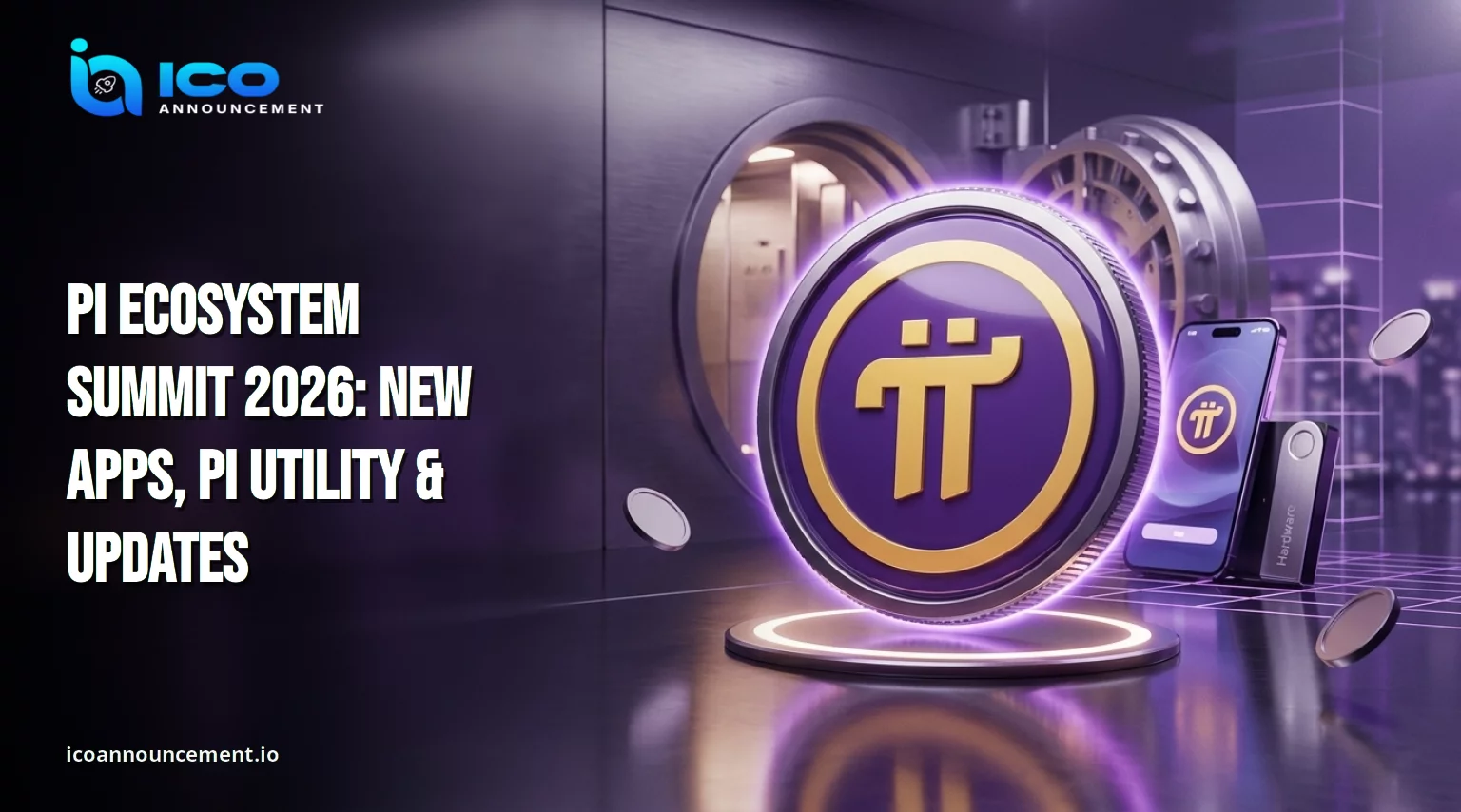
The Pi Ecosystem Summit 2026 will take place online from November 17 to 19, according to the network’s own announcement.
The three-day event is built around developers, platform tools, and the applications Pioneers can already open in the browser.
If you want to know what is confirmed, what is only speculation and how to stay safe around new projects, the sections below separate the facts from expectations.
Nothing here predicts prices, launches, or partnerships, because none have been announced.
What Is the Pi Ecosystem Summit 2026, and Why Does It Matter for Users?
The Pi Ecosystem Summit announcement was published on October 15, 2026.
It describes the event as a developer-focused gathering about the platform, ecosystem development, and utility creation.
The network calls it its first-ever Ecosystem Summit, so the Pi Network Summit 2026 is a new format rather than a repeat of earlier events.
The stated aim is to attract more builders while helping users discover more applications.
For readers, that means the most useful details to watch are new tools and real app examples, not price talk.
Summit Dates: Confirmed Agenda, Developer Demos, and App Showcases
The Pi Ecosystem Summit 2026 agenda announced so far has five parts. First, platform releases with new features and resources for developers. Second, developer demos of specific tools.
Third, apps showcase companies and community builders. Fourth, conversations between builders and the core team about what could be created next.
Fifth, an introduction to an upcoming Pi Network hackathon, with details promised during the event.
A full agenda and viewing instructions have not been published yet. Anything beyond these five items is an expectation, not a confirmed plan.
Could New Apps Expand PI Utility and In-App Payments in 2026?
The announcement says builders will show how their applications contribute to PI utility, and the platform already offers app discovery, user authentication, and payments.
That makes payment integration a natural area to watch. Whether the event adds new payment features or AI-powered services has not been confirmed.
The network has discussed stablecoins in an earlier post, and our guide to Pi stablecoin utility covers that background, but no stablecoin announcement for the Summit has been confirmed.
Treat these as open questions, not promises.
How Mainnet Apps Connect Developers, Pioneers, and Real Utility
The platform says its ecosystem includes more than 300 Mainnet applications, over 420,000 nodes, and more than 18.1 million fully KYC-verified users, with 60 million engaged Pioneers.
These figures come from the project itself, so read them as company claims, not independent counts.
Our explainer on Pi Mainnet apps shows how those applications work in the browser.
The project frames that user base as its main draw for builders in the Pi Network app ecosystem.
At the event, the key question is whether app discovery becomes easier for ordinary users.
Protocol 28 and Smart Contracts: What Builders Could Create Next
Builders also have a recent background to work with.
The explainer on Protocol 28 smart contracts covers that upgrade for readers who want the technical context.
The announcement lists recent releases, including support for bringing externally created AI applications into the ecosystem through App Studio, the SoloHost platform for self-hosted AI apps, new SDK functionality, and improved documentation.
It says the event will introduce additional capabilities but does not name them.
These developer resources are the baseline, and Mainnet application development news should be judged against them.
How to Evaluate New Apps, Payments, and Developer Projects Safely
New does not mean safe.
The official Pi Mainnet listing requirements say listed apps should be fully functional with a professional interface, use the network’s own authentication for logins, and handle transactions using only the native coin.
They also discourage redirecting users to outside sites and limit data collection to what the app needs.
These Mainnet app requirements are a useful checklist: confirm an app is a Mainnet listing, read what it asks for, and never share your passphrase.
Listing criteria can reduce risk, but they do not guarantee that every application is trustworthy.
Migration and KYC Checks to Finish Before You Try Any New App
Before testing any new application, make sure your own account is in order.
Whether some features work for you can depend on account status, including KYC and migration, so follow the official steps in the Mainnet migration guide first.
Account or balance issues can look like faults in the application itself.
The same logic applies to builders, because the listing page requires developers to complete KYC before submitting an app.
If anything asks you to pay or verify outside the official flow, stop and check the official channels.
If a Wallet Fails During In-App Payments, What to Check First
Payments inside applications depend on a working wallet.
If a payment fails or a login loops, start with the basics in our Pi wallet troubleshooting guide, such as updating the browser, checking your connection, and confirming whether the application runs on Mainnet or Testnet.
Keep a note of the exact error message and the time it happened, since that helps support understanding the problem.
Never send coins to anyone who promises to fix a stuck transaction. Official support channels and documentation are the safest places to confirm a fix.
What Should Pioneers and Developers Watch After the November Summit?
After the Pi Ecosystem Summit 2026 ends, check the official blog and documentation for the full agenda, platform release notes, and hackathon rules.
Useful signals include new SDK features, changes to listing requirements, working application launches, and clear Pi Network developer tool announcements.
Be cautious about screenshots, leaks, and social posts claiming early news. Update your view only when a claim appears on an official channel.
Real blockchain utility shows up in applications people can actually use, so judge progress by that, not by headlines.
Conclusion: What Is Confirmed, What Is Not, and Where to Follow
The Pi Ecosystem Summit 2026 is confirmed for November 17 to 19 as an online event covering platform releases, developer demos, application showcases, and a new hackathon.
Almost everything else, including specific new apps, payment features, and launch dates, remains unconfirmed.
Follow the official announcement for Pi ecosystem updates, verify every application before using it, and treat unconfirmed claims as questions, not facts.
Disclaimer: This article is for information only and is not financial, investment, or legal advice. Cryptocurrency involves risk, and events and features described here may change. Always verify details on official sources before acting.